
Summary

Self care includes important activities that are aimed at improving our lives. These can be directed towards our mental health, physical health, or both. The term self care is often misunderstood and is often seen as a luxury activity, or one that requires more time or money. However this is not the case, as many simple and cheaper activities are also considered self care.
Mindfulness and meditation, which are covered separately are also a form of self care. See below for other examples.
Regular Exercise
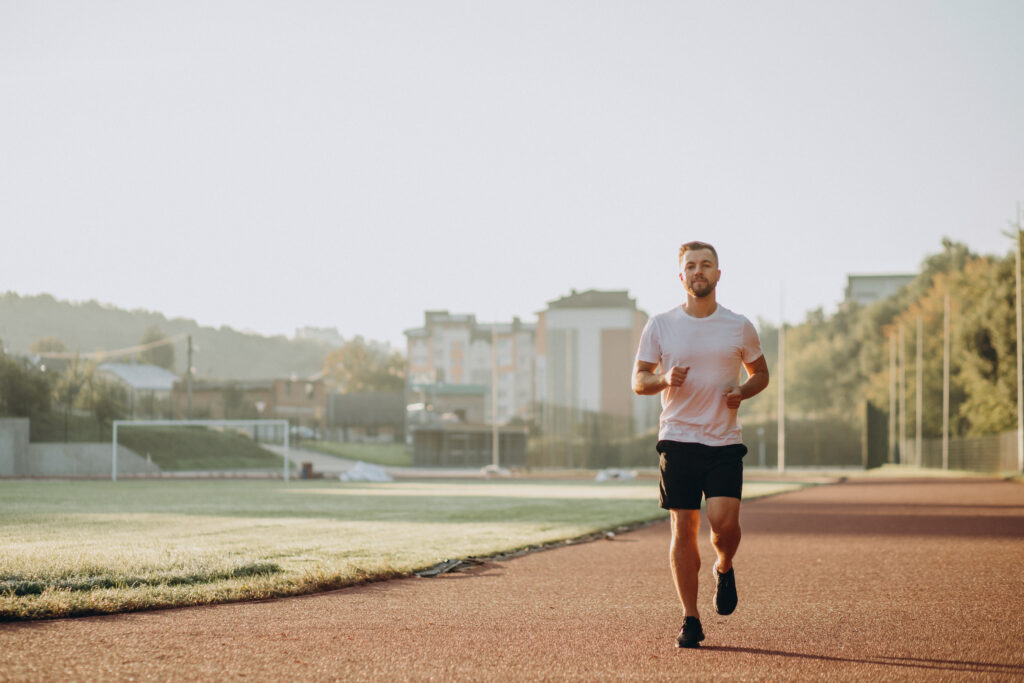
Exercise is very important for not only our physical health, but for our mental health as well. Many studies have proven that regular exercise reduces anxiety, stress and also improves wellbeing. For anxiety and stress, the best form of exercise is aerobic such as running or cycling. These workouts are helpful for reducing the body’s stress hormones, which are cortisol and adrenaline. Over time it will improve our ability to manage anxiety. It is recommended to try 2.5 to 5 hours of moderate exercise per week. You may need to consult with your doctor for a new exercise routine.
Healthy Diet

Eating a healthy diet is good for not only for our physical but also our mental health. It allows us to stay better focused during the day as well as improving our energy levels. Therefore it is also best to eat regular meals and avoid skipping any. Having a balanced diet consisting of enough fruit and vegetables will also help with our wellbeing. Drinking enough water is also important.
For further information regarding a balanced diet, please click on the link below.
https://www.healthline.com/health/balanced-diet
Adequate sleep
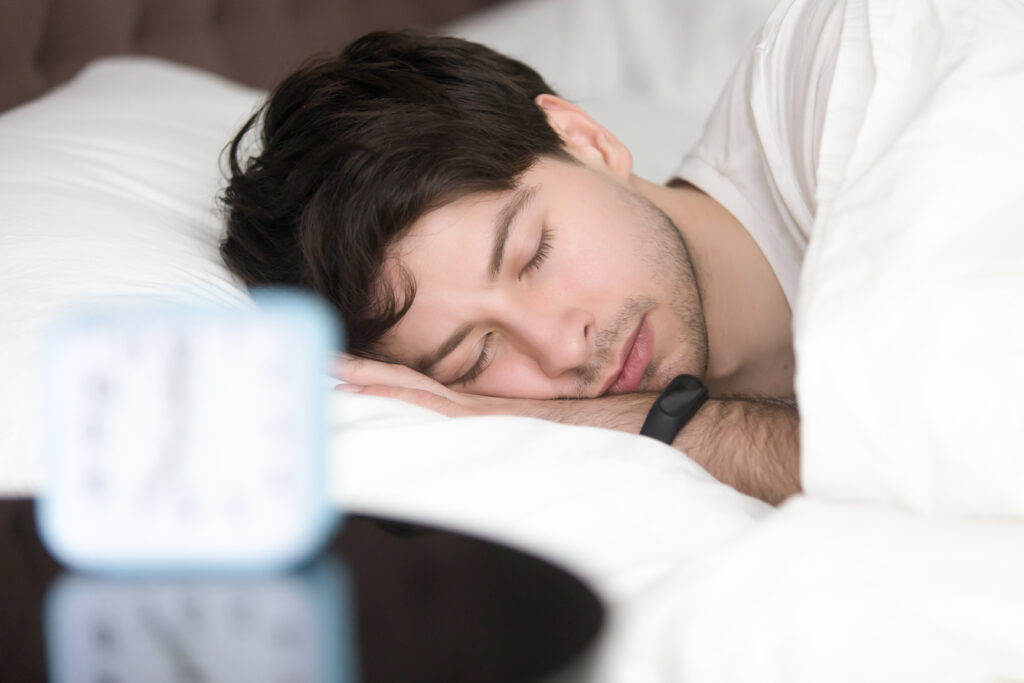
Having enough sleep is an essential part of our lives. It allows the body to regenerate both physically and mentally. Many parts of our body are maintained during our sleep, including the cardiovascular, respiratory, metabolism and immune systems. There are many mental health aspects that are affected by sleep deprivation. These include the ability to focus and think clearly. Regular sleep deprivation will affect a person’s long term ability to handle tasks. This can lead to further problems such as anxiety and stress.
To achieve better sleep, it is important to practice sleep hygiene. This includes a few different actions such as the following:
Try to obey your body clock: Wake up at the same time including weekends.
Don’t go to bed if you don’t feel tired: This can cause problems such as lying in bed awake too long.
Improve your sleeping environment: If your surroundings are noisy, consider buying a pair of earplugs. If the environment is too bright also consider an eye mask. Make the bedroom a place for only sleeping and intimacy, having an office in the bedroom is bad for sleep quality. Also invest in comfortable blankets and pillows.
Avoid drugs and alcohol before bed: Certain drugs such as cigarettes should be avoided altogether, but if you are having trouble quitting, it is important to avoid them at least 2 hours before bed. This is a similar case for alcohol as well, as it disturbs our body’s sleep rhythms.
Goals and Priorities

Setting goals and priorities are an important way for us to keep track of what we want to achieve in life and also help us maintain a healthy lifestyle. Goals assist us with different aspects of life, as they provide us a purpose. This is something that we can focus upon and look forward to. Achieving goals can reward us with happiness and a sense of accomplishment. When choosing a goal, it is important to consider if this may be too easy to achieve, or if it may be too difficult. It is also helpful to choose different goals, as many of these can be short term goals as well.
Relaxing Activities
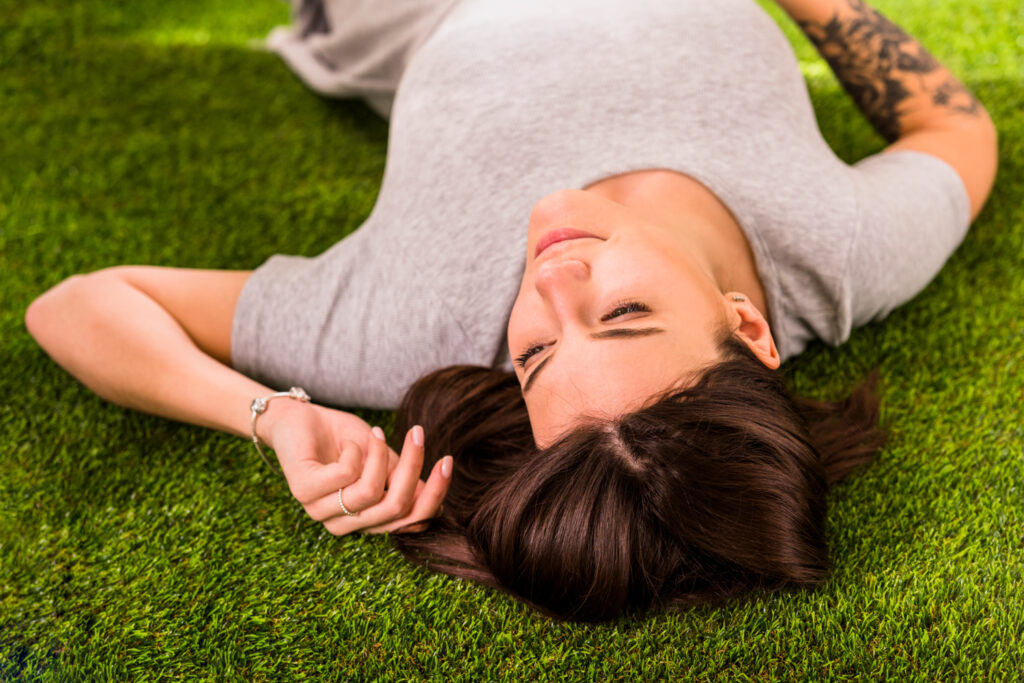
Healthy relaxation activities are very beneficial to our mental health. Many of these activities are a form of mindfulness. It is best to try schedule some time in each day to relax. Spending too much time either working or studying can lead to problems such as burnout, stress and anxiety. Try to find an activity that you enjoy and feel comfortable completing each day. Some examples include meditation, listening to music, spending time in nature or engaging in low stress hobbies.